Discover the Best Family Saga Fiction Books: Exploring Historical Family Sagas
Family saga fiction enthralls readers by blending powerful storytelling with profound emotional resonance. These novels delve into love, loss, resilience, and the ties that bind generations. When set in historical eras, they become even more immersive, granting readers a tangible link to the past.
In this article, we’ll break down what makes family saga fiction so compelling and highlight Maren, The Fisherman’s Daughter by Eve Gwartney as a standout example.
What is Family Saga Fiction?
Family saga fiction traces multiple generations of a family, revealing how their decisions, hardships, and relationships shape their legacy. These narratives often span decades, resulting in nuanced character development and emotional richness.
When combined with historical settings, the genre becomes even more powerful. Readers not only experience personal stories but also gain insight into different time periods and cultures.
Well-known examples include The Thorn Birds by Colleen McCullough and The Winds of War by Herman Wouk. These novels combine family drama with major historical events, making them both personal and expansive.
Why Historical Family Sagas Stand Out
Historical family sagas offer more than just storytelling; they create an immersive experience. The setting brings authenticity, while the characters make history feel real and relatable.
What truly sets them apart is their focus on family dynamics. Themes like generational conflict, duty vs. desire, and tradition vs. change are central to these stories. Readers see how one decision can affect future generations.
These novels are also emotionally engaging. Watching characters grow, struggle, and evolve over time creates a strong connection, making the story memorable long after it ends.
A Must-Read: Maren, The Fisherman’s Daughter
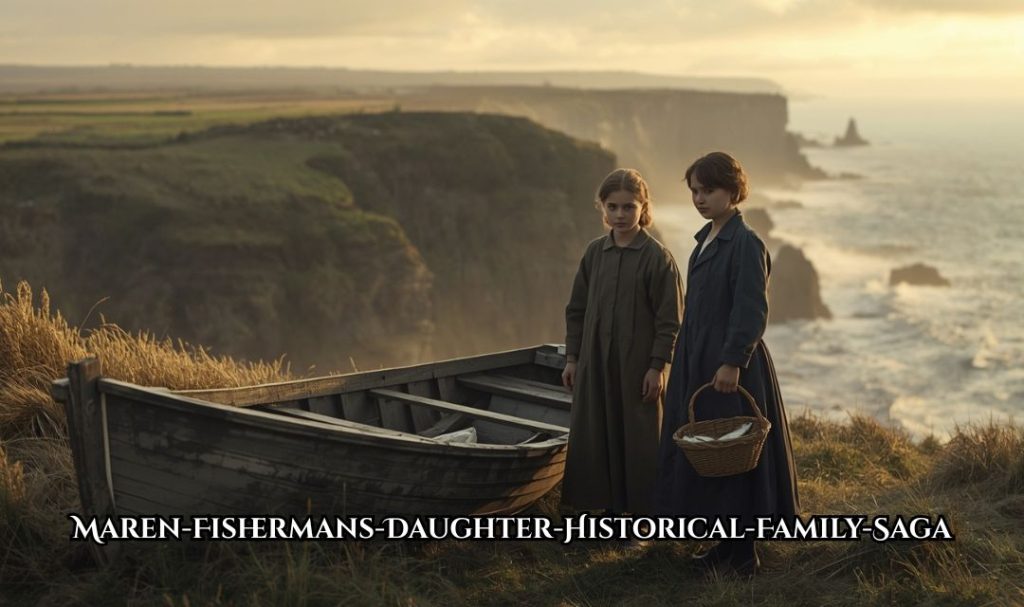
Maren, The Fisherman’s Daughter by Eve Gwartney is a powerful example of historical family-saga fiction. Set in 19th-century Denmark, the story follows two sisters whose lives change drastically after a family tragedy forces them into servitude.
The novel explores hardship, resilience, and moral choices in a rigid social system. It also highlights the often-overlooked strength of women in history.
At its core, the book is about survival and growth. It shows how circumstances shape individuals and how inner strength helps them endure.
Readers who enjoy classics like Pride and Prejudice by Jane Austen or The House of the Seven Gables by Nathaniel Hawthorne will appreciate its emotional depth and historical richness.
The Role of Faith in Family Saga Fiction
Christian family saga fiction adds another layer to the genre by incorporating themes of faith, hope, and redemption. These stories often focus on how belief systems guide characters through difficult times.
They highlight moral growth, forgiveness, and resilience, offering readers both inspiration and comfort. This makes them especially appealing to those who value spiritually grounded storytelling.
Maren, The Fisherman’s Daughter, subtly reflects these themes through the sisters’ endurance and moral strength, showing how inner values can guide people through hardship.
Conclusion
Historical family sagas remain popular because they connect personal stories with larger historical contexts. They explore how families evolve, how choices shape the future, and how resilience carries people through generations.
Maren, The Fisherman’s Daughter, stands out as a moving and meaningful addition to the genre. With its emotional depth and historical detail, it offers a reading experience that is both engaging and thought-provoking.
If you enjoy stories that combine history, emotion, and family legacy, this novel and the genre as a whole are well worth exploring.